How Individual Support Training Shapes the Future of Healthcare
- Written by The Chronicle
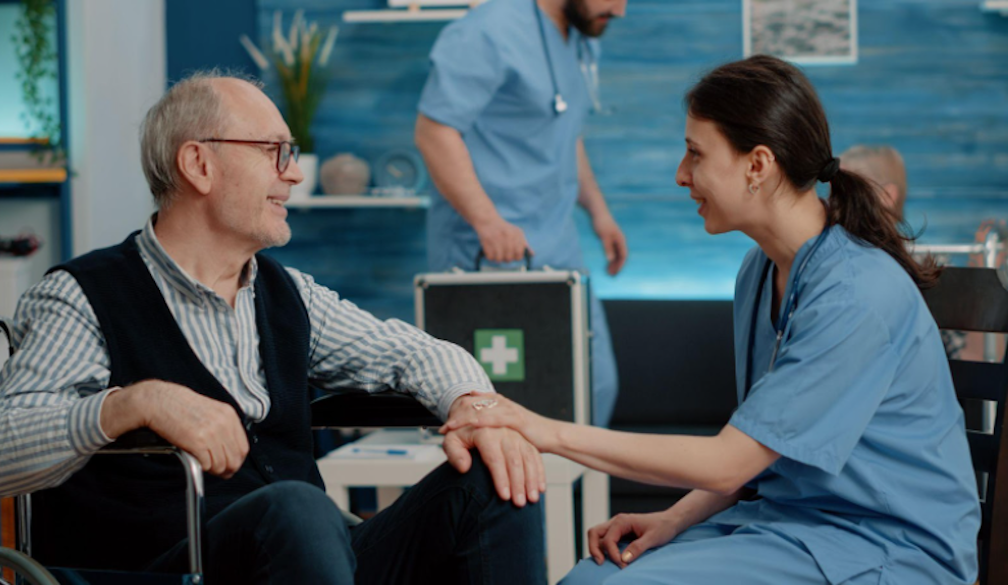
The healthcare industry is constantly evolving, with the demand for qualified professionals increasing as populations age and the need for personalised care grows. Among the many qualifications that prepare individuals for the healthcare sector, the Certificate III in Individual Support stands out as a pivotal program that shapes the future of healthcare. This qualification equips people with the skills and knowledge necessary to provide personalised support in elderly care, home and community care settings, and disability care.
In this blog, we'll delve into how Certificate III in Individual Support plays a unique and critical role in enhancing the future of healthcare. It does so by creating a workforce ready to meet the increasing demands of personalised care, promoting a person-centred approach, and ensuring the continuity of care for vulnerable populations. Moreover, it plays a significant role in fostering the professional development of healthcare workers, making it a key qualification for those interested in a career in healthcare.
-
Meeting the Growing Demand for Healthcare Workers
One of the most tremendous contributions of Certificate III in Individual Support is addressing the growing demand for healthcare professionals. With the global populace increasing, the number of people requiring assistance due to age-associated conditions, disabilities, and chronic illnesses is regularly rising. Healthcare providers need a workforce skilled in individualised care to ensure outstanding patient outcomes.
According to Australia's Department of Health, the elderly care sector will require more than 400,000 employees by 2050 to meet the wishes of older Australians. This method means a vast range of professional people are needed to fill the space. Certificate III in Individual Support is the entry-level qualification that prepares people for this vital position. It ensures that graduates are qualified and ready to provide the level of care required in aged care, disability care, and home-based settings.
-
Promoting an Approach to Person-Centred Care
The Certificate III in Individual Support emphasises a person-centred approach to care as one of its fundamental tenets. This method guarantees that care is customised to meet each person's specific requirements, preferences, and circumstances. This is a substantial shift from conventional healthcare methods, which frequently prioritised symptom management above attending to the whole needs of the patient.
In particular, person-centred care enhances patients' quality of life in elderly care and disability services. Healthcare personnel who are trained to recognise and address their patients' emotional, social, and psychological needs develop stronger relationships and trust. Certificate III in Individual Support encourages graduates to connect with individuals, families, and communities in a way that empowers people to make decisions about their care and supports their overall well-being.
-
Fostering Professional Development and Career Opportunities
Certificate III in Individual Support is a gateway to numerous professional opportunities in the healthcare sector. It provides foundational knowledge and capabilities that can be constructed upon similar training and qualifications, presenting people with the risk of pursuing various career paths. Whether individuals are inquisitive about those specialising in disability care, aged care or home and community care, these certificates equip them with the qualifications needed to improve their chosen careers.
For example, individuals who meet the qualifications may also pursue similar studies in nursing, occupational therapy, or allied fitness fields. This certificate offers a pathway to specialised regions with palliative care, dementia care, or intellectual health assistance. This flexibility ensures that people aren't restrained to 1 place of healthcare but can develop and evolve as their career interests shift.
-
Ensuring the Continuity and Quality of Care
Continuity of care is critical in ensuring that people receive regular, high-quality care across different healthcare settings. Certificate III in Individual Support allows for bridging gaps in care by training people to provide seamless assistance in numerous situations, from residential elderly care centres to in-home care.
Well-trained support staff can easily move between various care settings, minimising any disruptions to clients' treatment. For instance, a worker might start helping a client at an assisted living facility and keep helping them when they move to a home-based care setting. Building enduring, trustworthy connections between care users and their support personnel requires this constancy.
Through Certificate III in Individual Support, employees are also taught how to cooperate with other healthcare professionals, including nurses, physiotherapists, and occupational therapists, to guarantee a coordinated approach to treatment. This interdisciplinary teamwork guarantees that all facets of an individual's health are taken care of and that treatment is provided effectively and efficiently.
-
Shaping the Future of Community-Based Care
The need for personnel with a Certificate III in Individual Support is growing as healthcare moves toward more community-based models. Community care models prioritise providing care within an individual's home or community instead of hospital or institutional settings. With this method, people can continue to live independently and in comfortable surroundings while still getting the assistance they require.
Individual support workers with a Certificate III in Individual Support are well-positioned to succeed in community-based care environments. They offer a variety of services that support independence and improve the quality of life for senior individuals or people with disabilities. The training allows employees to provide individualised care and adjust to different community care settings.
In summary
Certificate III in Individual Support is a valuable certification that gives people the skills and knowledge they need to positively influence the lives of others. Support workers are crucial in determining how healthcare will develop in the future since they provide necessary care, encourage independence, and improve the well-being of their communities. The need for skilled workers holding a Certificate III in Individual Support will rise with the ongoing demand for support services.